
A cuisine born of the mountains
Lunigiana’s table is a cuisine of chestnut woods, valley floors and woodland flavours: few ingredients, much memory. Food is still cooked in cast-iron or terracotta testi, meadow herbs are gathered by hand, and mushrooms hold a real place in the region’s food culture. Around Guinadi you will find these flavours among residents, at the cooperative and in Pontremoli’s markets.
To taste at least once
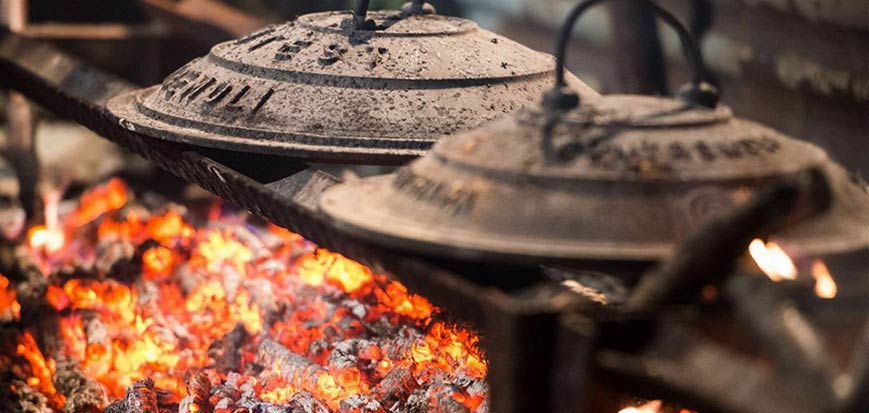
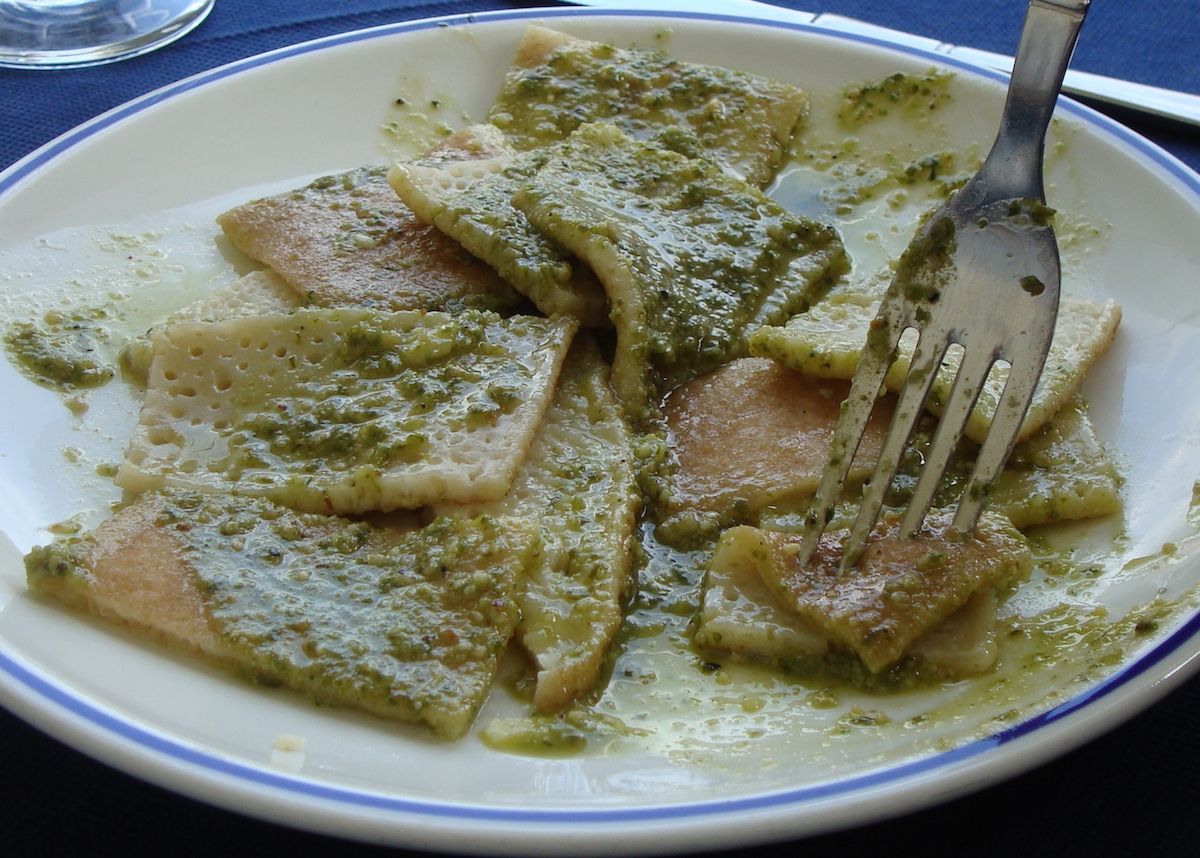
Testaroli & panìgacci
Pontremoli’s signature: a batter cooked in “testi”, cut into pieces and dressed with pesto or oil and cheese. Panigacci, their thinner cousins, are eaten with cured meats and cheese.
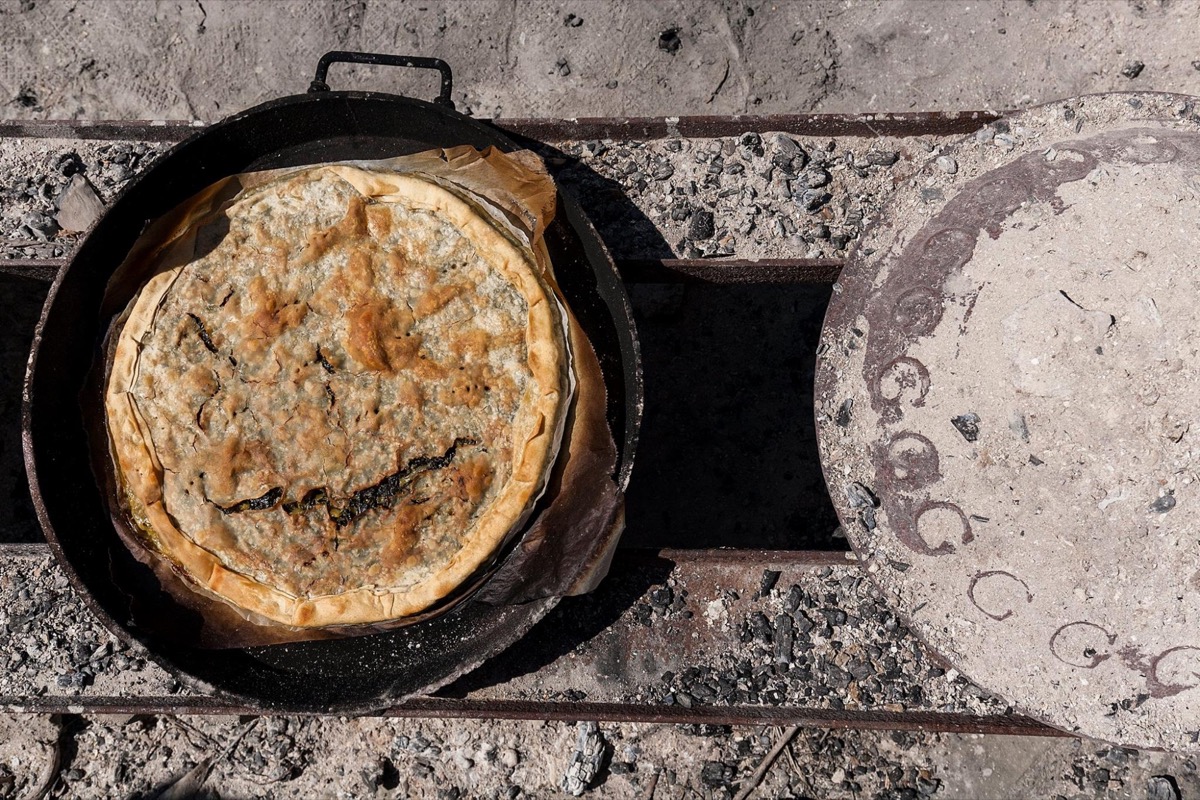
Torta d’erbi
A savoury tart of meadow herbs, chard and seasonal vegetables, sometimes called scarpazza. Every family has its own version: the dish of kitchen gardens and village feasts.
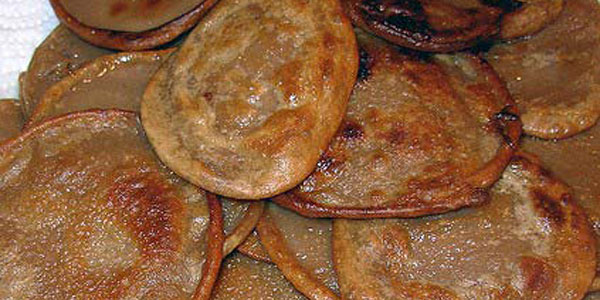
Chestnut padleti
A simple, nourishing chestnut-flour preparation that recalls mountain cucina povera and the importance of the chestnut woods around the village.
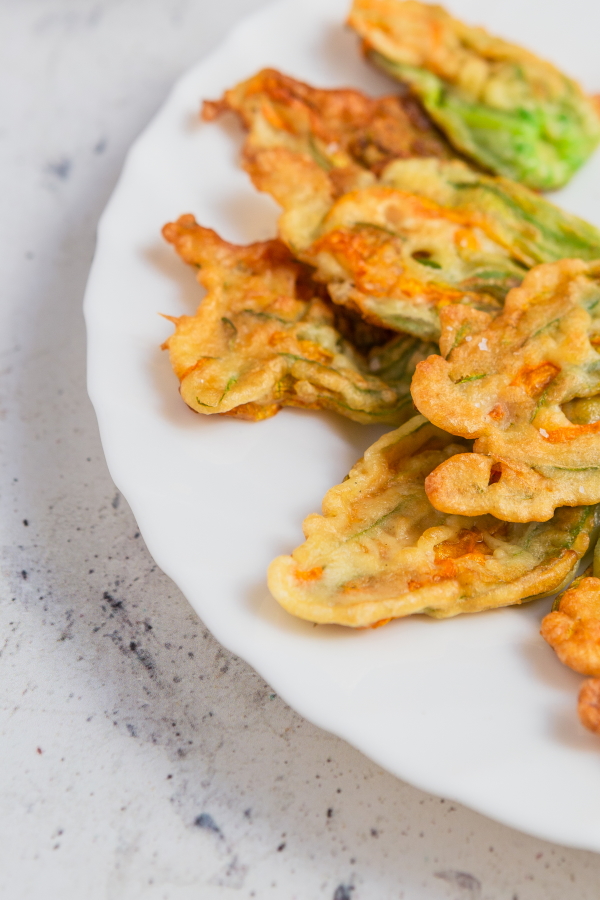
Courgette-flower padleti
The summery, more vegetable version, when gardens give courgette flowers: a seasonal home dish.
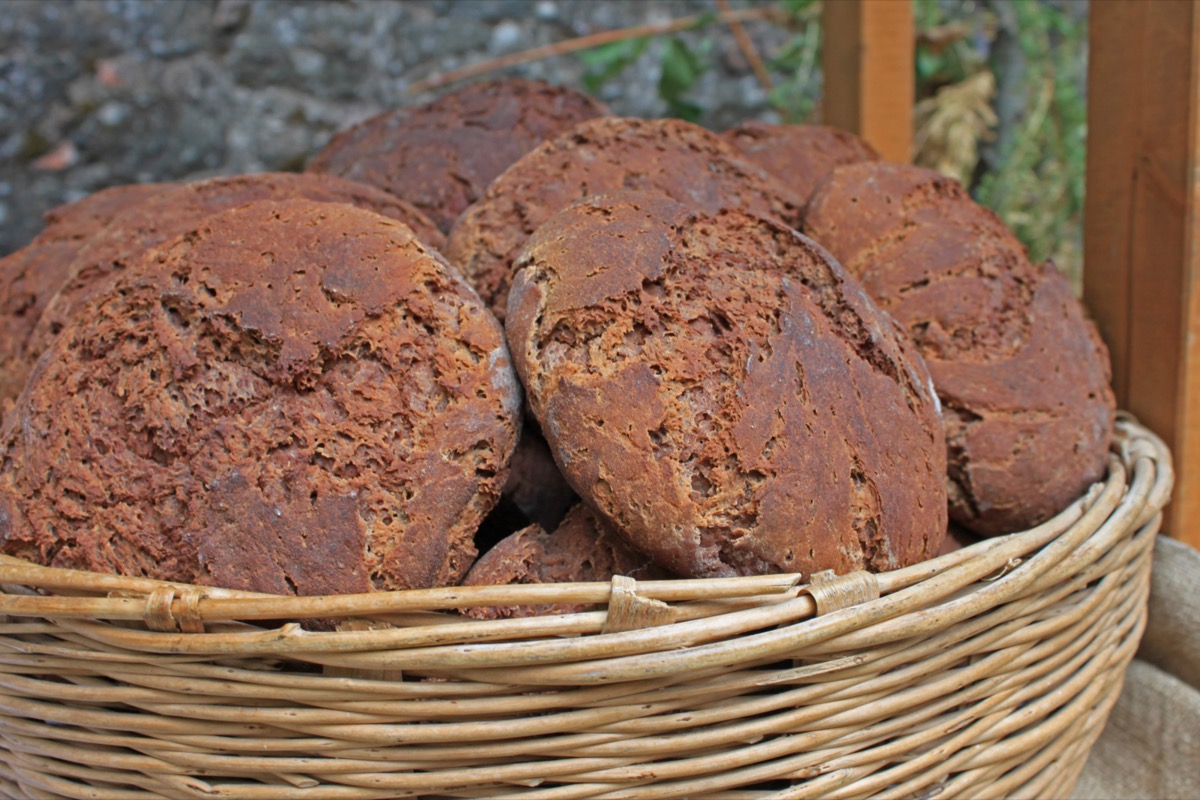
Chestnut & marocca
The mountain’s bread tree: chestnut flour, castagnaccio, and marocca di Casola, a chestnut bread recognised by Slow Food. The autumn harvest still sets the valley’s rhythm.
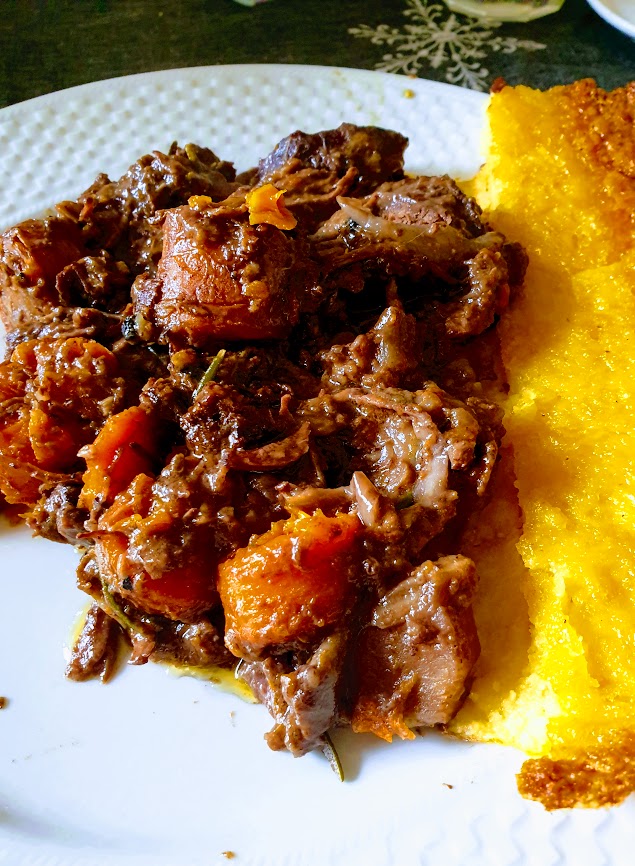
Polenta & wild boar
A cold-weather mountain dish: generous polenta with a slow-cooked sauce, sometimes wild boar.
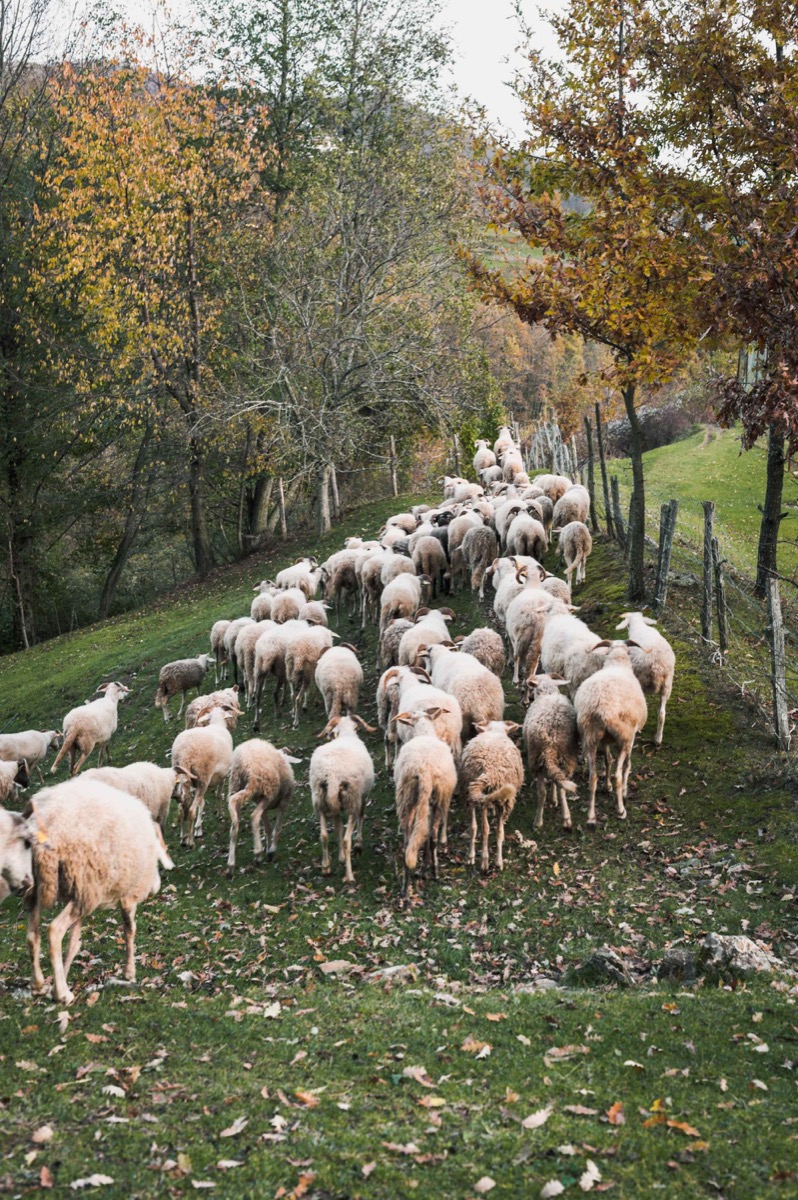
Zeri lamb
A sheep breed raised in the neighbouring Zeri valley, a Slow Food presidium — look for it from producers and at the area’s good tables.
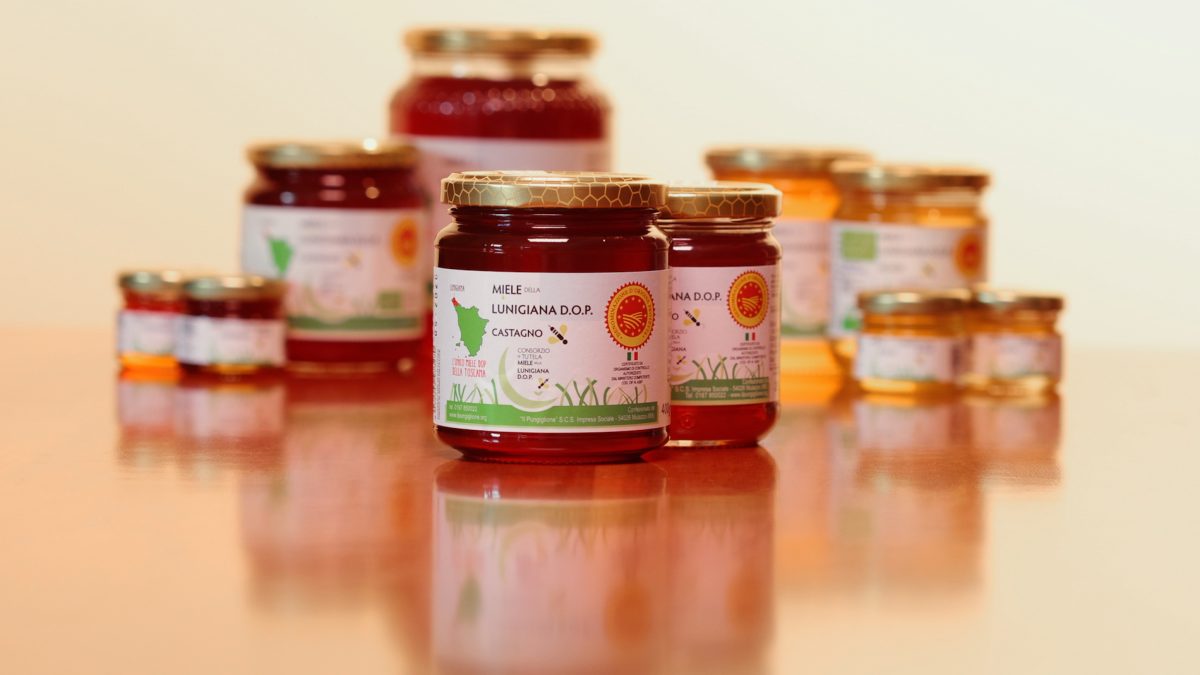
Lunigiana honey
Lunigiana’s acacia and chestnut honey was the first Italian honey to earn a PDO. Forest and mountain-flower aromas, worth taking home as a living souvenir.
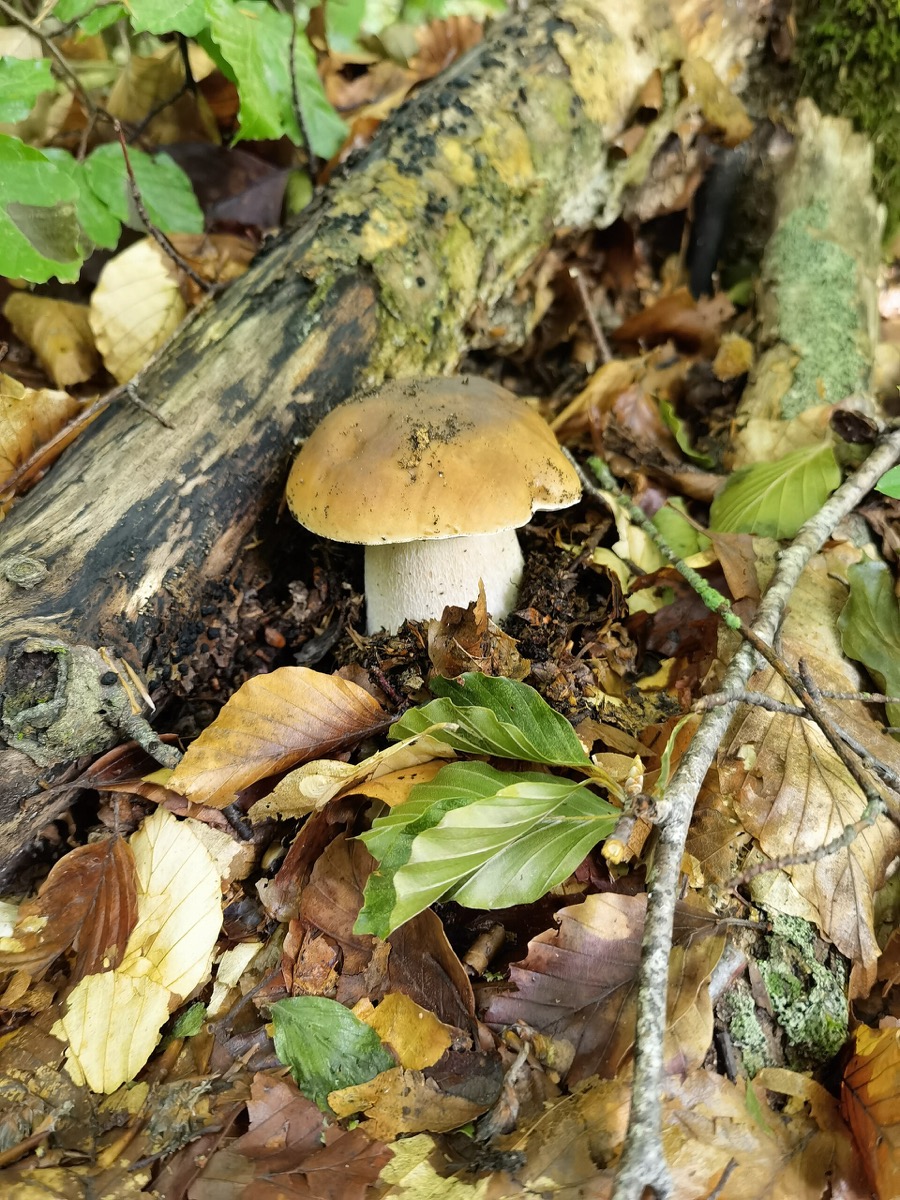
Mushrooms & woodland
Porcini, boletes and chestnut-wood aromas: mushrooms are among Lunigiana’s essential flavours. Taste them in sauces, side dishes and autumn plates. Foraging is regulated: check before picking.
Where to taste, near Guinadi
A non-exhaustive selection, with no commercial partnership. Opening times in rural areas often shift between seasons: a quick call before heading over saves a wasted trip.
La Guinadese
The community cooperative of Guinadi San Rocco runs the bar, the grocery and a village kitchen. It is the first place to meet local flavours and ask for advice. Check opening days and times, which vary with the season.
Trattoria da Renato
A restaurant right in Guinadi, known for its mushroom dishes (tagliatelle, ravioli, sautéed) and game (wild boar, lamb). Check it is open before heading over: rural opening hours change.
Osteria della Bietola
A go-to spot for testarolo in Pontremoli, in a small stone-walled room in the historic centre. Family-run, seasonal cooking.
Antica Trattoria Pelliccia
An institution in Pontremoli’s historic centre, steps from the Duomo, known for its testarolo pontremolese since the 1950s.
Trattoria Ferrari
A well-rated trattoria among visitors, for simple, generous Lunigiana cooking.
Mercato della Terra · Slow Food
In Pontremoli, the Mercato della Terra regularly gathers local producers: cheese, honey, chestnut flour, vegetables and preserves. The perfect chance to buy directly and meet the people who make the valley.
Eating with the seasons
Spring: herbs and torta d’erbi. Summer: testaroli and evening markets. Autumn: chestnut, mushrooms and village feasts. Winter: soups, dried chestnut and quieter tables. Always ask what is in season.
Sources & photos: Visit Tuscany · Torta d’erbi ↗ · Visit Tuscany · Marocca ↗ · Visit Tuscany · Agnello di Zeri ↗ · Vetrina Toscana · Miele DOP ↗ · Wikimedia Commons · Testaroli ↗ · Wikimedia Commons · Porcini mushrooms ↗ · Wikimedia Commons · Polenta ↗
Valley recipes to make at home
Family-style recipes from Guinadi and the Pontremolese area. Quantities are a guide: in this mountain cooking, the season, the testo you have and each family’s hand matter as much as the recipe card.
Cazzutei with ricotta
Cazzutei · ingredients
- 200 g type 00 wheat flour, 100 g chestnut flour, 150–170 ml lukewarm water, 6 g salt.
- For the sauce: 250 g ricotta, 60 g grated parmesan, 1 ladle cooking water and 1 tablespoon olive oil.
Cazzutei · method
- Mix both flours and the salt. Add the water little by little until you have a firm, supple, non-sticky dough. Knead for 8 minutes.
- Cover and rest for 30 minutes. Divide in two, roll to 1.5–2 mm, dust lightly with flour and cut into 5–6 mm tagliatelle.
- Bring a large pot of salted water to the boil. Cook the pasta for 3–5 minutes depending on thickness; reserve a ladle of water before draining.
- Whisk the ricotta with parmesan, oil and cooking water. Add the hot cazzutei, toss gently and serve at once.
The name and ricotta-parmesan pairing are documented for Guinadi; the quantities above turn that local description into a practical home recipe.
Testaroli with simple pesto
Testaroli · ingredients
- 400 g wheat flour, 500 ml water, 8 g salt.
- To serve: 120 g pesto, 2 tablespoons olive oil and 60 g pecorino or parmesan.
Testaroli · method
- Whisk flour, salt and cold water into a smooth, fluid batter. Rest for 30 minutes.
- Heat a lightly oiled, heavy 24 cm pan. Pour in a small ladle of batter to make a 4–5 mm disk, cover and cook for 3–4 minutes. Turn if needed.
- Cool the disks, stack them and cut into 4 cm diamonds. Bring salted water just to a simmer, turn off the heat and warm the diamonds for 2–3 minutes.
- Drain without rinsing. Loosen the pesto with oil and a spoonful of hot water, dress the testaroli and finish with the cheese.
Traditionally cooked in testi, testaroli are adapted here to a home pan while keeping their shape and texture.
Torta d’erbi
Torta d’erbi · ingredients
- For the dough: 250 g flour, 125 ml water, 20 g olive oil and 5 g salt.
- For the filling: 350 g chard, 150 g spinach or borage, 1 small leek, 50 g parmesan, 25 g olive oil, salt and pepper.
Torta d’erbi · method
- Knead the dough ingredients for 8 minutes. Shape into a ball, cover and rest for 30 minutes.
- Finely slice the raw greens and leek. Salt, mix and leave for 30 minutes, then squeeze firmly to remove water. Add oil, pepper and parmesan.
- Heat the oven to 230°C. Divide the dough in two and roll two very thin sheets. Place the first on an oiled tray, spread the filling leaving 2 cm at the edge, cover with the second and seal.
- Oil the top, make two small cuts and bake for 25–30 minutes until golden. Cool for 10 minutes before slicing.
In Pontremoli the vegetables go into the filling raw and vary with the garden: do not overfill the pie.
Chestnut-flour Padleti
Padleti · ingredients
- 200 g chestnut flour, 250 ml water, 2 g salt.
- Enough frying oil — or lard for an older-style version — about 500 ml in a small saucepan.
Padleti · method
- Sift the chestnut flour. Whisk in the water and salt until you have a thick fritter batter. Rest for 15 minutes.
- Heat the oil to 170–175°C. Without a thermometer, a drop of batter should rise surrounded by small bubbles without darkening at once.
- Drop in spoonfuls of batter — 3 or 4 per batch — and fry for 2 minutes per side. Turn when the edges are set and golden.
- Drain on paper towels and season very lightly. Serve hot, plain, with honey or with ricotta and fresh cheese.
Padleti use the same simple batter as patona; frying spoonfuls is what gives them their fritter shape.
Recipe sources: Padleti · GreenMe ↗ · Testaroli · Visit Tuscany ↗ · Pontremoli products · Visit Pontremoli ↗ · Cazzutei de Guinadi · local reference ↗